
Registered Russian Blue catteries in Australia are heavily concentrated in New South Wales, Victoria and Queensland. If you live in Western Australia, South Australia, Tasmania, the ACT or the Northern Territory, there is a fair chance your kitten will come from another state – and for many buyers that is simply how it works.
Quick answer: Buying a kitten interstate — here’s the short version. Our Russian Blue kittens are $2,500 with a $250 deposit — see kittens for sale now or read the buying steps below.
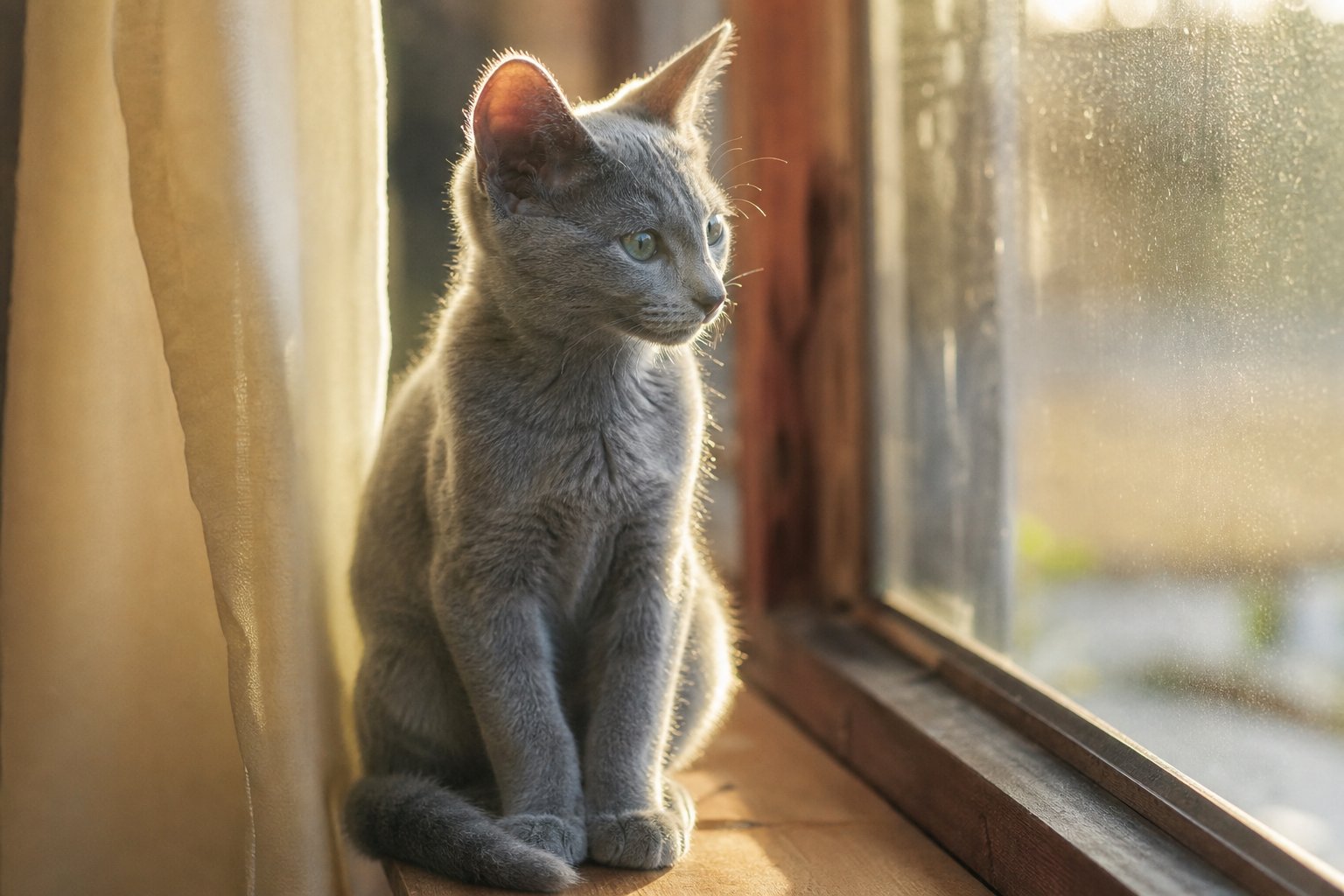
Interstate purchase is routine and generally uneventful when it is planned properly. This guide covers the mechanics, the costs and the welfare questions.
What does not change between states
The good news is that domestic cat movement between Australian states is straightforward. There is no quarantine for cats moving between mainland states, and no permit required in the way there is for some other species. The requirements that do apply are airline and welfare requirements rather than border ones.
Always confirm current rules for your specific route before booking, because airline policies change more often than regulations. Tasmania has additional biosecurity requirements for some animal movements – check the current Tasmanian requirements if that is your destination.
Your three transport options
| Option | Typical cost | Best for | Considerations |
|---|---|---|---|
| You fly to collect | $250 – $600 return airfare plus excess baggage or cabin fee | Buyers who want to meet the breeder and see the kitten in person | Most reassuring option; a day trip is usually enough |
| Kitten flies to you (hold or cabin) | $250 – $600 | Long distances where driving is impractical | Airline rules on age, crate size and weather embargoes apply |
| Ground transport by road | $200 – $550 | Shorter interstate distances, and buyers wary of flying | Long journey for a young kitten; breaks and welfare standards vary by operator |
Our own arrangements and rates are set out in delivery information and delivery across Australia. How Australia-wide kitten delivery works explains the welfare side in detail.
Airline rules that catch buyers out
- Minimum age. Most Australian airlines require a kitten to be at least eight to sixteen weeks old to fly, depending on carrier. Our kittens travel from twelve weeks.
- Crate specifications. IATA-compliant crate, large enough for the kitten to stand, turn and lie naturally. Choosing a travel crate.
- Health certificate. A vet-issued certificate within a defined window before travel, commonly within 5 to 10 days. Book the vet appointment before you book the flight.
- Weather embargoes. Airlines will refuse live animal cargo in extreme heat or cold. In an Australian summer this can delay a flight by days. Build slack into your plans.
- Cabin versus hold. Some airlines allow small pets in cabin on domestic routes; others require hold transport in a climate-controlled compartment. Cabin is gentler where available.
- Direct flights only. Never accept a multi-leg itinerary with a connection for a young kitten.
Flying a kitten interstate goes through the airline-by-airline detail and the crate setup.
Verifying a breeder you will never meet in person
This is the part that legitimately worries people, and it deserves care. Interstate purchase removes the in-person visit, so you need substitutes:
- Video call, not just video. A live call where you can ask them to show the mother, the room, and the kitten doing something specific. Pre-recorded video proves nothing.
- Registry confirmation. Ask which feline body they are registered with and check the breeder directory. What registration means for buyers.
- Written contract before payment. What to look for.
- Vet reference. A legitimate breeder will name their veterinary practice. You can call that practice and confirm the breeder is a genuine client.
- Traceable payment. Bank transfer to an account matching the breeder’s name. Never gift cards or crypto.
- Independent footprint. Search the cattery name plus “scam”, check for a long-standing social media history with real interactions, and look for reviews from previous buyers.
Buying a kitten online safely walks through the whole process, and kitten scams in Australia covers the specific patterns to avoid.
Preparing for arrival
An interstate kitten arrives after a long, strange day. Set up so the first night is easy:
- One quiet room with litter, food, water, a bed and a hiding place – not the whole house
- The same food the breeder has been feeding, at least for the first week
- Something carrying the smell of the mother and littermates, if the breeder can send it
- No visitors, no other pets, no long introductions for the first 48 hours
- A vet appointment booked for the first week, and the location of your after-hours clinic noted
The first week and the first 30 days set out the plan. travelling interstate with your cat covers the journey itself.
The total cost of an interstate purchase
Budget for the kitten price plus:
| Item | Cost |
|---|---|
| Kitten | $1,500 – $2,500 |
| Transport | $200 – $600 |
| IATA-compliant crate | $60 – $150 |
| Pre-travel vet health certificate | $60 – $90 (often included by the breeder) |
| Your own travel, if collecting | $250 – $600 |
| Realistic total | $1,800 – $3,400 |
Ask any breeder to quote transport separately and in writing so your total is fixed before you commit. First-year costs covers everything else.
The one thing not to compromise on
Never let an interstate purchase become a sight-unseen purchase. If a breeder will not do a live video call showing the mother and the environment, do not send money – regardless of how far away the next legitimate option is.
Quick answers
Is there quarantine for cats moving between Australian states?
No quarantine applies to cats moving between mainland states. Tasmania has additional biosecurity requirements – check current rules for that route.
How much does it cost to fly a kitten interstate?
Roughly $250 to $600 including crate, depending on airline, route and whether the kitten travels in cabin or hold.
Can I buy a kitten interstate without meeting the breeder?
You can, but insist on a live video call showing the mother and the environment, a written contract, a named vet practice, and traceable payment.
At what age can a kitten fly?
Airline rules vary, generally from eight to sixteen weeks. Kittens should not travel before twelve weeks for welfare reasons regardless of what is permitted.
Related reading
Buying a Kitten Interstate in Australia: FAQs
How much does it cost to act on this?
When readers ask about buying a kitten interstate, the budget question comes first: our Russian Blue kittens are $2,500 with a $250 deposit, vet-checked and fully documented — see current Russian Blue kittens for sale.
Can I buy from another state?
Absolutely — buying a kitten interstate works interstate with safe pet transport. Read buying a kitten interstate for costs, rules and timelines.
What should I do next about buying a kitten interstate?
Read our 99 kitten-buying FAQs, then enquire — we reply within 24 hours and will happily talk through buying a kitten interstate for your situation.
Independent guidance: The RSPCA’s guide to choosing a pet responsibly before you commit to any kitten.
Ready to meet your kitten?
Our Russian Blue kittens are raised in our family home, vet-checked, vaccinated, microchipped, wormed and socialised before they travel. We reserve with a $250 deposit and deliver Australia-wide.