Our complete Russian Blue kitten care guide covers feeding, grooming, litter training, health and enrichment.
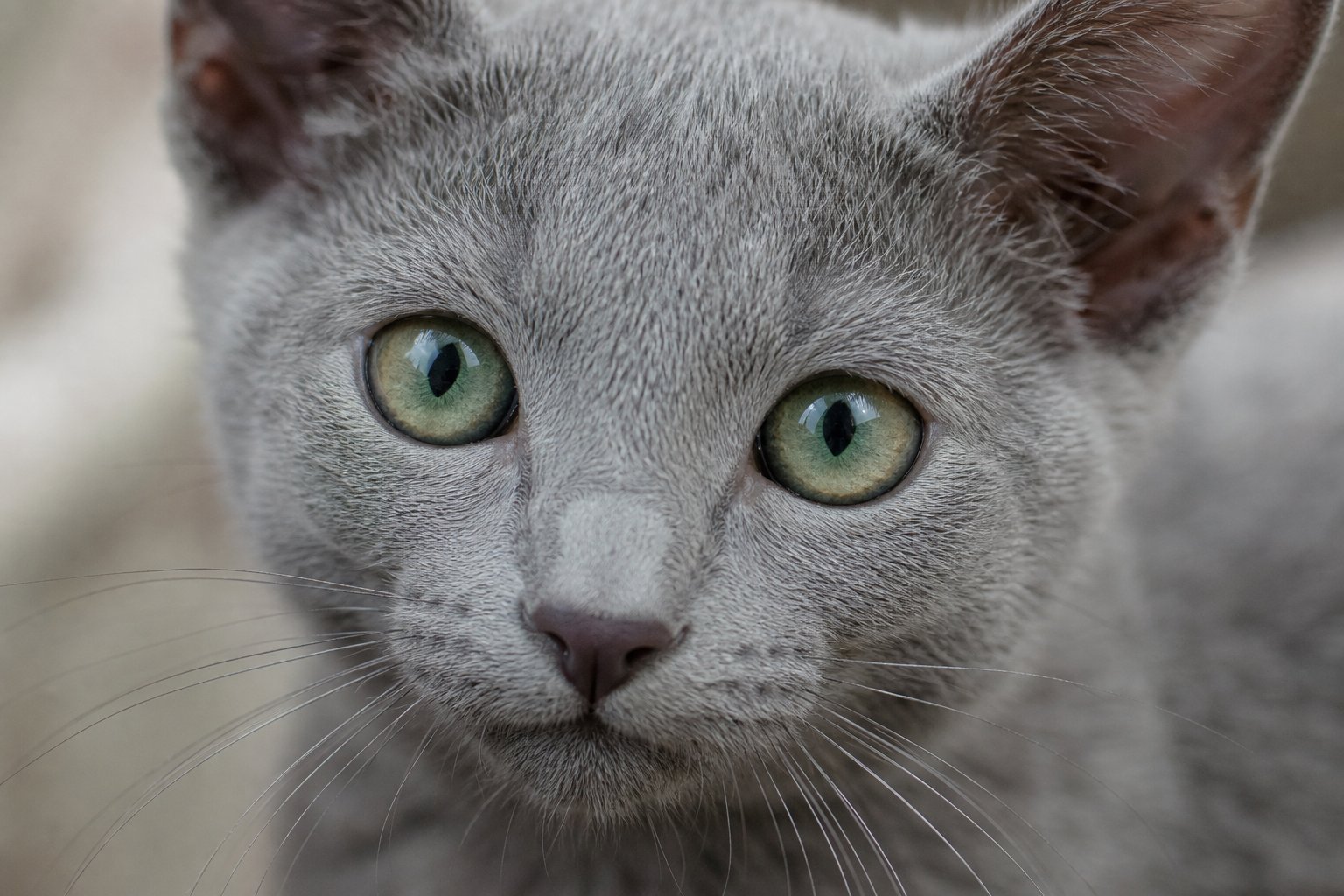
Good Russian Blue kitten care sets the foundation for a long, happy life together. This guide covers everything you need to know about feeding, grooming, litter training, health and enrichment, so your kitten thrives from day one.
Feed a high-quality kitten food that is rich in protein and tailored for growth. Offer fresh water at all times and follow a consistent feeding schedule. We will tell you exactly what your kitten has been eating so you can transition smoothly if you wish to change brands.
The Russian Blue’s short, dense double coat is famously low maintenance. A gentle brush once a week removes loose hair and keeps the coat gleaming, and most cats genuinely enjoy the attention. Check ears and nails regularly and trim nails as needed.
Our kittens are already litter-trained before they go home. Simply provide a clean litter tray in a quiet spot and keep it scooped daily. Consistency and cleanliness are the keys to confident litter habits.
Every kitten leaves us vet-checked, vaccinated (F3), microchipped and wormed. Continue annual vaccinations, parasite prevention and routine check-ups, and contact your vet promptly with any concerns. Russian Blues are generally a healthy, robust breed.
Russian Blues are intelligent and playful, so provide scratching posts, climbing spaces and interactive toys. Daily play strengthens your bond and keeps your kitten mentally stimulated and physically fit.
Give your kitten a quiet room to decompress at first, let them explore at their own pace and keep routines calm and consistent. With patience and love, your Russian Blue kitten will quickly feel at home. We are always here to help with any question about kitten care.
Premium kitten food, feeding schedule and fresh water.
Weekly brushing, dental care and nail trimming.
Indoor living, enrichment toys, scratching posts and beds.
Annual vaccinations, desexing and parasite prevention.
Gradual household introductions and positive handling.
Interactive toys, climbing structures and daily play.
Kittens are usually already trained when they leave us.
How often should I feed my kitten? Young kittens benefit from several small meals a day. Follow the guidance on your premium kitten food and adjust as they grow.
Do Russian Blues shed a lot? Their dense coat sheds minimally compared to many breeds, and weekly brushing keeps it looking its best.
When should I see the vet? Continue the vaccination schedule started with us, plus annual check-ups and parasite prevention.
How do I keep my kitten entertained? Interactive toys, climbing spaces and daily play keep this intelligent breed happy and stimulated. Good Russian Blue kitten care is simple, rewarding and the foundation of a lifelong friendship.
Great Russian Blue kitten care continues well beyond the first few weeks. As your kitten grows into adulthood, keep up regular veterinary check-ups, vaccinations and parasite prevention, and maintain a balanced diet suited to their life stage. Russian Blues are a healthy, robust breed, but like all cats they benefit from routine care, mental stimulation and plenty of love. Keep their environment enriching with climbing spaces, scratching posts and interactive toys, and set aside time each day for play. G
rooming remains simple — a weekly brush and occasional nail trim is usually enough. Above all, give your cat companionship; Russian Blues thrive on a close bond with their family. With consistent, attentive kitten care, your Russian Blue will enjoy a long, happy and healthy life by your side. If you ever have a question about feeding, grooming, health or behaviour, our team is always happy to help.
Guides to help you decide whether a Russian Blue is right for your family.
How often to brush a Russian Blue, how to manage seasonal shedding, and the routine that works.
Everything to buy, move and kitten-proof before your new kitten arrives.
What a Russian Blue kitten costs in Australia, what is included, and the ongoing costs to budget for.
A calm, step-by-step approach to litter training, plus what to do when a kitten starts missing the tray.
How to brush your cat’s teeth, what dental disease looks like, and what else genuinely helps between vet checks.
A complete list of what to buy before your kitten comes home, split into essentials, useful extras and things to skip.
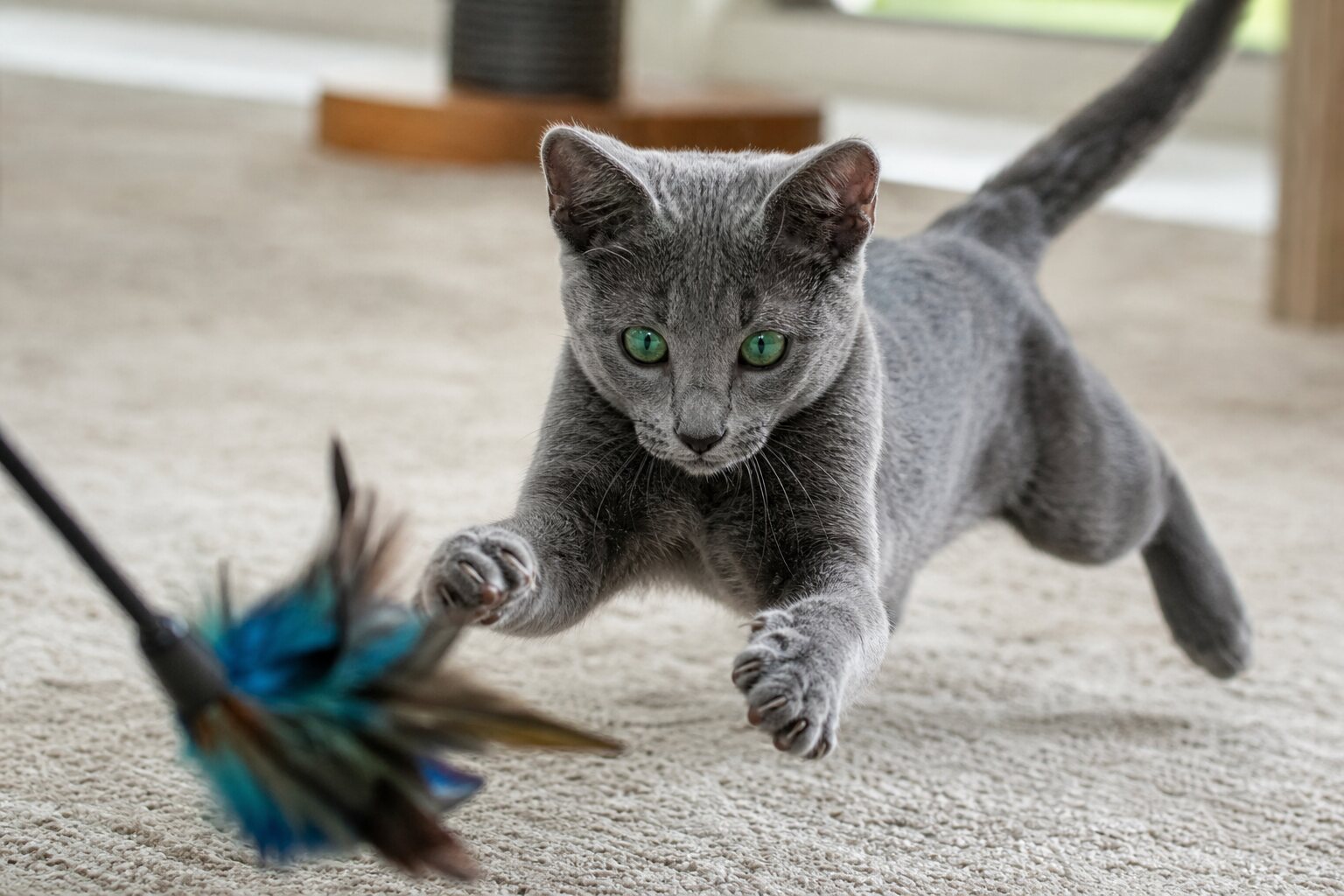

Good care evolves as your cat ages. From around ten years old, schedule twice-yearly vet checks, watch weight and kidney values, keep meals highly digestible, and add steps or ramps to favourite perches. Gentle daily play, warm bedding and patient grooming keep seniors comfortable — and regular cuddles remain the most important job of all.
Tip: keep fresh water in multiple rooms — comfort is often about the small things, and hydrated cats are healthy cats. Brush weekly, trim claws monthly, and schedule annual vet checks to keep care routines simple and stress-free for everyone.