
These are the two pedigree cats Australian families most often shortlist, and they are genuinely different purchases. Ragdolls typically cost more to buy and considerably more to maintain. Russian Blues cost less over the cat’s lifetime and demand far less of your time.
Quick answer: Russian blue vs ragdoll — here’s the short version. Budget beyond the purchase price: our kittens are $2,500 all-inclusive — see what’s available now.
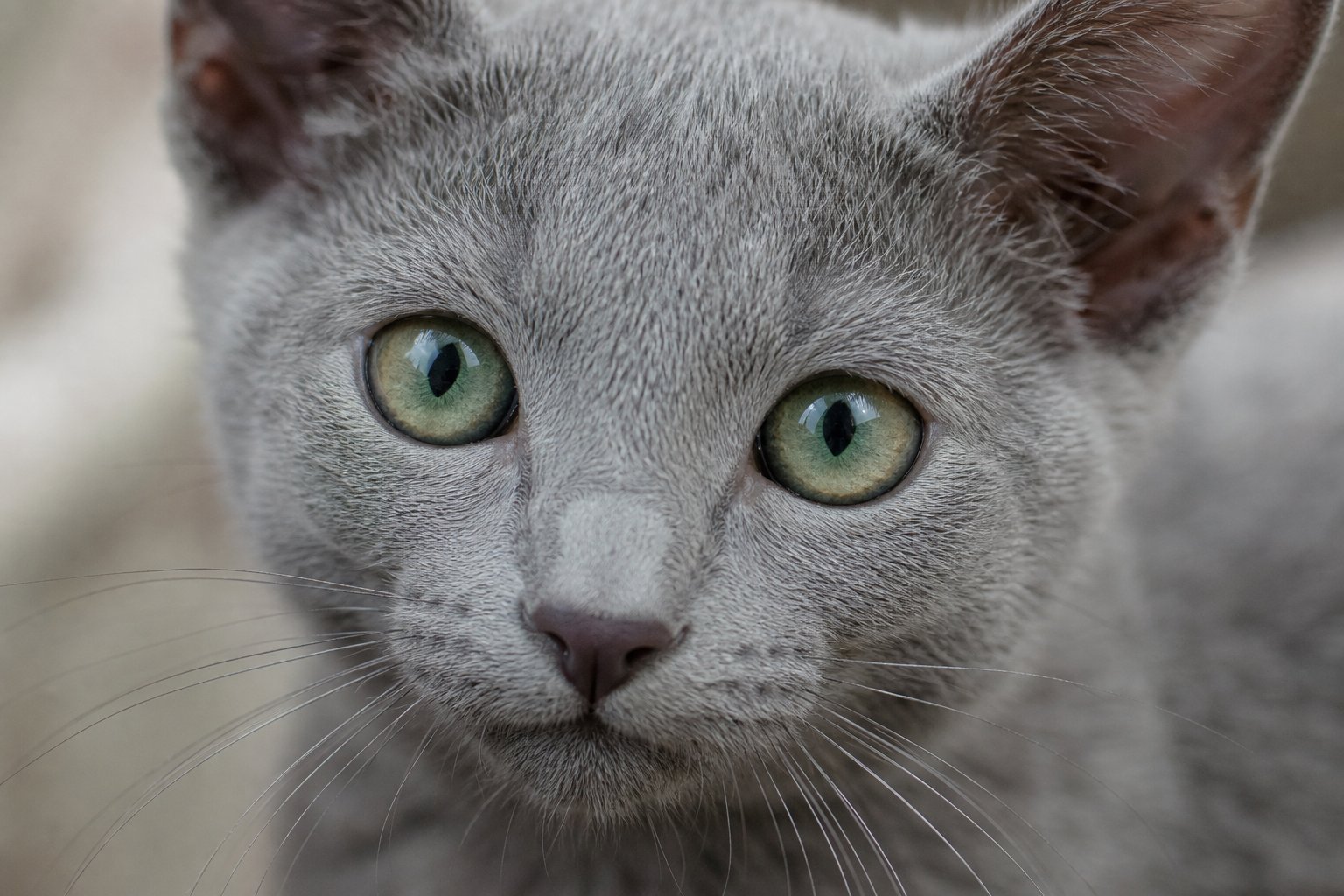
Purchase price in Australia
| Russian Blue | Ragdoll | |
|---|---|---|
| Typical pedigree companion price | $1,500 – $2,500 | $1,800 – $3,500 |
| Show or breeding stock | $2,500 – $4,000 | $3,500 – $6,000+ |
| Deposit commonly required | $100 – $300 | $200 – $500 |
| Waitlist length | Weeks to several months | Often 6 – 18 months |
| Desexing usually included | Yes | Yes |
Ragdolls sit at the premium end of the Australian pedigree market and popular lines are frequently booked out a year ahead. Russian Blues are more affordable and generally quicker to obtain, though good catteries still run waitlists.
The grooming difference is the real cost gap
This is where the lifetime figures diverge. A Ragdoll is a semi-longhair with a silky coat that mats if neglected. Most owners need:
- Brushing two to four times a week, more during seasonal coat change
- Regular attention to the britches, chest and behind the ears, where mats form first
- Occasional professional groom or clip, $80 to $150 a session, if the coat gets away from them
A Russian Blue has a short, dense double coat that needs a brush once a week and virtually nothing else. There is no professional grooming line item. Over fifteen years that difference is several thousand dollars and several hundred hours.
Our Russian Blue grooming and shedding guide covers the routine in detail, and which grooming tools are actually worth buying keeps the kit minimal.
Shedding: both shed, differently
Neither breed is non-shedding and neither is truly hypoallergenic. Russian Blues shed a fine, dense coat that tends to lift off fabric easily and is managed with weekly brushing. Ragdolls shed more visible hair volume and carry it further around the house because the hairs are longer.
If allergy is the reason you are comparing these breeds, read are Russian Blue cats hypoallergenic before you commit to either – the honest answer is more nuanced than most listings suggest.
Health and running costs
| Russian Blue | Ragdoll | |
|---|---|---|
| Common inherited concerns | Generally robust; HCM screening advised in lines | Hypertrophic cardiomyopathy (HCM), PKD in some lines |
| Typical annual vet and prevention | $200 – $350 | $250 – $450 |
| Food (larger body size) | $700 – $1,200 | $900 – $1,500 |
| Grooming (professional) | $0 | $0 – $400 |
| Weight range | 3.5 – 6.5 kg | 4.5 – 9 kg |
Ragdolls are substantially larger, which pushes up food cost across the cat’s whole life. Both breeds should have cardiac screening available in their pedigree – ask any breeder what HCM testing has been done on the parents. Russian Blue health covers what to watch for in our breed.
Temperament: the honest comparison
Ragdolls are famous for going limp when held and will often seek out a lap. They are overtly, physically affectionate and tend to follow people room to room.
Russian Blues are devoted but more reserved. They bond intensely, often to one or two people, and express it through proximity rather than being picked up. They are quieter, more independent, and more wary of strangers initially. If you want a cat that will tolerate being carried around by children, a Ragdoll is usually the easier fit. If you want a calm, clever companion who is content to be near you without being on you, a Russian Blue suits better.
Our Russian Blue temperament guide describes what living with one is really like, and Russian Blues and children covers the family question directly.
Which should you buy?
- Choose a Russian Blue if you want lower grooming load, a quieter cat, a smaller purchase price, and you are happy with affection expressed as companionship rather than cuddling.
- Choose a Ragdoll if you want a large, overtly cuddly cat, you can commit to regular grooming, and the higher purchase and running costs fit your budget.
- Consider both if you have young children and want a tolerant lap cat – but budget the grooming time honestly, because a matted Ragdoll is a miserable one.
If you have decided on a Russian Blue, you can see the kittens currently available and read how our adoption process works.
The lifetime figure
Over fifteen years, a Russian Blue typically costs $2,000 to $4,000 less than a Ragdoll once purchase price, food for a larger body and professional grooming are added up.
Quick answers
Are Russian Blues cheaper than Ragdolls?
Yes, usually by $300 to $1,000 on purchase price, and more over the cat’s lifetime because of grooming and food.
Which sheds more?
Ragdolls shed more visible hair. Russian Blues shed a fine dense coat that is easier to manage with weekly brushing.
Which is better with children?
Ragdolls generally tolerate handling better. Russian Blues do well with respectful children but prefer calm households – see our guide to Russian Blues and children.
Related reading
Russian Blue vs Ragdoll: FAQs
How much does it cost to act on this?
When readers ask about russian blue vs ragdoll, the budget question comes first: our Russian Blue kittens are $2,500 with a $250 deposit, vet-checked and fully documented — see current Russian Blue kittens for sale.
What is included in the $2,500 price?
For russian blue vs ragdoll, our price covers vet checks, F3 vaccination, microchip, worming, pedigree paperwork, a starter guide and lifetime support — see where the money goes.
What should I do next about russian blue vs ragdoll?
Read our 99 kitten-buying FAQs, then enquire — we reply within 24 hours and will happily talk through russian blue vs ragdoll for your situation.
Independent guidance: Compare with the RSPCA’s figures on the lifetime cost of cat ownership when budgeting for a pedigree kitten.
Ready to meet your kitten?
Our Russian Blue kittens are raised in our family home, vet-checked, vaccinated, microchipped, wormed and socialised before they travel. We reserve with a $250 deposit and deliver Australia-wide.