
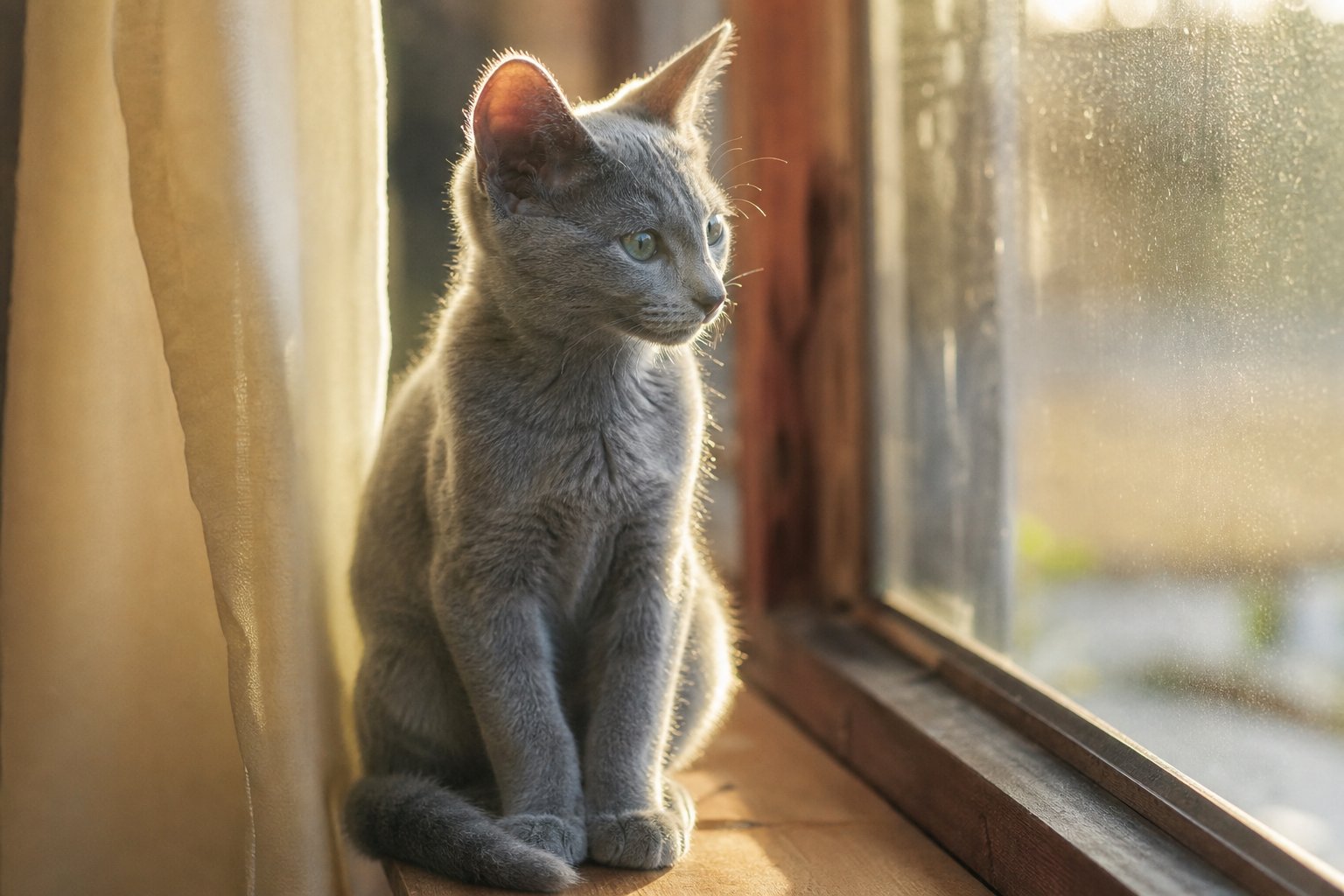
Almost every “problem” behaviour in a kitten is normal cat behaviour happening in an inconvenient place. Understanding why it happens is most of the fix. None of the solutions below involve punishment, which reliably makes things worse.
Biting and scratching hands
Why: play. Kittens learn bite inhibition from littermates; on their own, your hand becomes the toy.
Fix: never use hands or feet as toys — always a wand toy or a kicker toy. When they bite, freeze, say “no” once in a firm but calm tone, and immediately redirect to a toy. If it continues, calmly end the play session and leave the room. Kittens who learn that biting ends the fun stop biting.
Night-time zoomies
Why: cats are crepuscular — most active at dawn and dusk. An under-stimulated kitten with a full evening’s energy has to spend it somewhere.
Fix: run a solid play session before bed, then feed them. This mimics the natural hunt-eat-sleep cycle and most kittens settle right down afterwards. A puzzle feeder left out overnight helps too.
Climbing curtains and furniture
Why: climbing is instinct, and curtains are the tallest, most satisfying thing in the room.
Fix: give them something better — a tall cat tree placed near the window. Remove the appeal of the curtain with double-sided tape at the bottom while the habit breaks. See our scratching guide.
Knocking things off surfaces
Why: it is both play and an extremely effective way to get your attention. It works, so it repeats.
Fix: remove breakables for now, and do not react — any response, even a telling-off, rewards it. Add daily play and rotate toys so novelty comes from toys rather than from your shelves.
Stealing food from the bench
Why: it is self-rewarding.
Fix: never leave food out, feed at set times, and make sure they are not actually hungry — a kitten on three meals may need four. Remember that many human foods are toxic to cats, so prevention matters for safety as well as manners. See our feeding guide.
Going outside the litter tray
Why: dirty tray, wrong location, stress — or a medical problem.
Fix: check for a medical cause first, then clean with an enzymatic cleaner and review tray placement. Our litter training guide covers it fully.
When to see a vet or behaviourist
Contact your vet if there is a sudden change in behaviour, aggression, or anything accompanied by a change in appetite or litter habits — pain is a very common hidden cause. If problems persist, ask your vet to refer you to a qualified animal behaviourist.
More support is available in our socialisation guide, and please get in touch — our aftercare lasts for the life of your cat.
Related Articles
Preparing Your Home for a Kitten: A Room-by-Room Checklist
Everything to buy, move and kitten-proof before your new kitten arrives.
Russian Blue Grooming and Shedding: A Simple Routine
How often to brush a Russian Blue, how to manage seasonal shedding, and the routine that works.
Russian Blue Kitten Feeding Guide: Birth to Adulthood
What to feed a Russian Blue kitten at each life stage, how often, how much, and the mistakes that cause the most problems.
Ready to Meet Your Kitten?
Every kitten from our cattery is vet-checked, F3 vaccinated, microchipped and wormed before leaving us, and comes with a complete health record and lifetime aftercare support.
View Available Kittens Our Adoption Process Ask Us a Question Read the FAQ